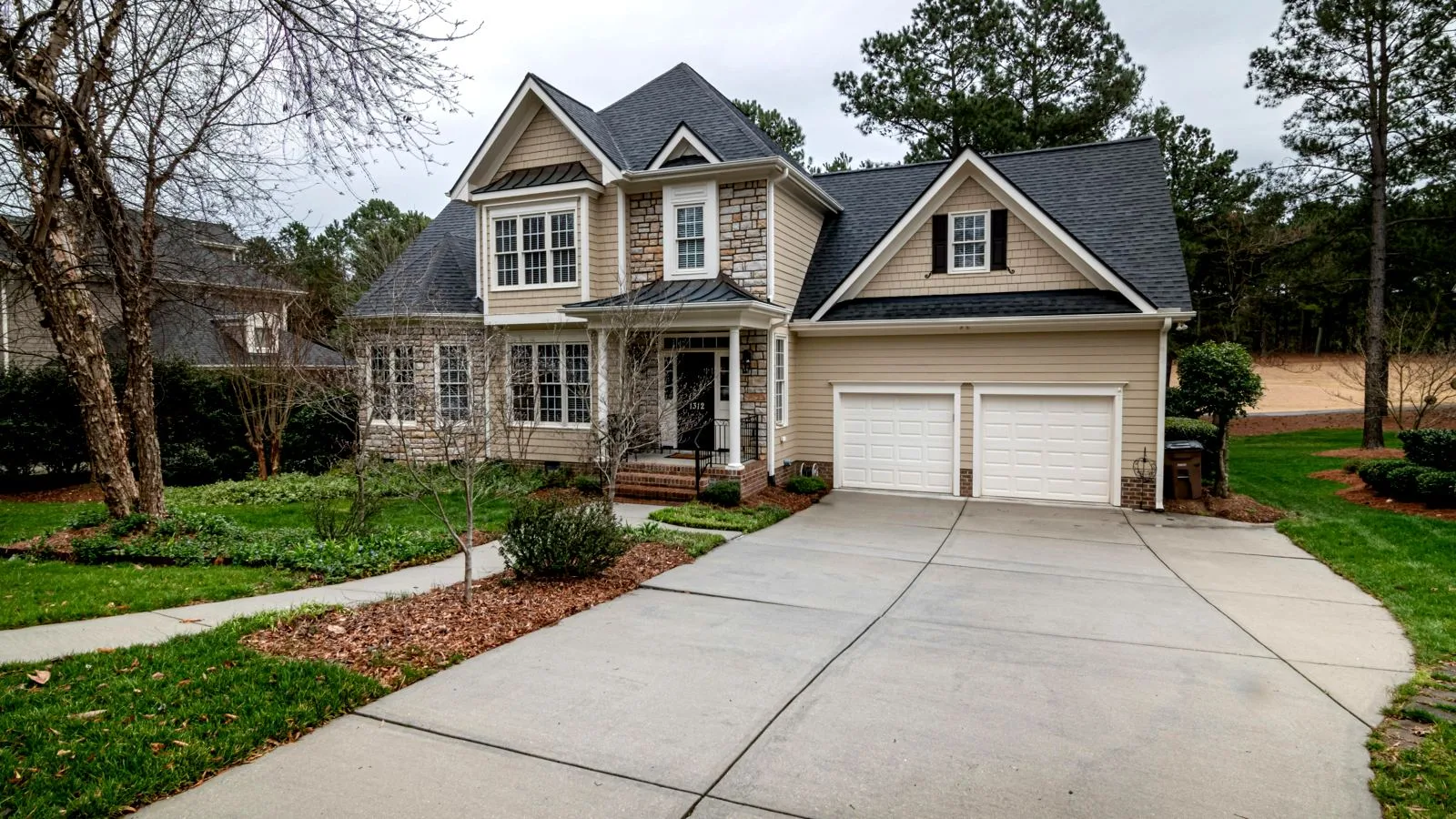
The minimum down payment is not a single percentage: it is calculated in price tiers. The more expensive the property, the higher the percentage required.
How is the minimum down payment calculated?
The federal rule for insured mortgages is tiered. According to the Department of Finance Canada, these thresholds were raised effective December 15, 2024:
- 5% on the part of the price up to $500,000.
- 10% on the part of the price between $500,000 and $1.5 million.
- 20% for a property of $1.5 million or more: mortgage loan insurance is then not available, according to CMHC.
Formula: minimum down payment = 5% × min(price; $500,000) + 10% × max(0; price − $500,000). These rules change from time to time: check the current thresholds on the Department of Finance Canada and CMHC pages before planning a purchase.
What down payment for $500,000, $750,000 and $1,000,000?
Minimum down payment by price (federal rules as of October 13, 2026, to be verified)
| Purchase price | Minimum down payment | Share of price | Loan before premium |
|---|---|---|---|
| $500,000 | $25,000 | 5.00% | $475,000 |
| $750,000 | $50,000 | 6.67% | $700,000 |
| $1,000,000 | $75,000 | 7.50% | $925,000 |
Notice that the effective percentage rises with price: 5.00% at $500,000, 6.67% at $750,000 and 7.50% at $1,000,000. The minimum down payment is a floor. A lender can ask for more depending on your file, and the source of your down payment must be documented.
What does mortgage loan insurance cost?
When the down payment is under 20%, the loan must be insured. The premium is a percentage of the loan and is generally added to the balance. CMHC states that premiums range from 0.6% to 4.5% of the loan, and that the smaller the down payment, the higher the premium. The exact rate depends on the loan-to-value ratio, the amortization and the type of file: ask your lender or broker.
To illustrate the calculation, I use an example premium rate of 4.00%, which is not confirmed here by an official source. Premium = loan × premium rate. The payment is calculated over 25 years at an example rate of 4.50%.
Example insurance premium at 4.00% and monthly payment over 25 years at 4.50% (examples)
| Price | Loan before premium | Premium (example) | Loan with premium | Monthly payment |
|---|---|---|---|---|
| $500,000 | $475,000 | $19,000 | $494,000 | $2,734.16 |
| $750,000 | $700,000 | $28,000 | $728,000 | $4,029.28 |
| $1,000,000 | $925,000 | $37,000 | $962,000 | $5,324.41 |
Should you aim for 20%?
With 20% or more, the loan does not need to be insured: you avoid the premium. On the other hand, you need a larger sum. Here is the gap between the minimum, 10% and 20%.
Down payment: minimum, 10% and 20% of the price
| Price | Minimum | 10% | 20% | Extra needed to reach 20% |
|---|---|---|---|---|
| $500,000 | $25,000 | $50,000 | $100,000 | $75,000 |
| $750,000 | $50,000 | $75,000 | $150,000 | $100,000 |
| $1,000,000 | $75,000 | $100,000 | $200,000 | $125,000 |
Between the minimum and 20%, you avoid a premium of tens of thousands of dollars on the highest prices, but you tie up more cash. The choice depends on your savings, your other projects and the rate on offer. The $1.5 million cap is a hard threshold: above it, 20% is required.
What other amounts should you plan for besides the down payment?
The down payment is not the only sum you need on signing day. The purchase budget also includes costs that are not added to the loan.
- The notary’s fees, disbursements and taxes on the invoice.
- Transfer duties (the “welcome tax”), depending on the municipality.
- A pre-purchase inspection, which is optional but strongly recommended.
- Adjustments for taxes and fees with the seller.
- Moving and first purchases.
Set aside a separate reserve for these costs: a lender may want to confirm you hold funds beyond the down payment, and the exact sum depends on the property and the municipality.
Where can the down payment come from?
- Personal savings, including registered accounts such as the FHSA and the RRSP (Home Buyers’ Plan).
- A gift from a relative, with a gift letter.
- The sale of an existing property.
- Another documented source.
The lender checks where the funds come from and may ask for recent bank statements. A sum that suddenly appears in your account without explanation can delay the file. Keep the paper trail from the start: gift letters, sale documents and registered-account statements.
Frequently asked questions
Do I pay the insurance premium in cash?
Generally not: the premium is added to the loan balance. It therefore increases the amount borrowed and the interest, which the table above illustrates. Terms may vary by insurer.
Are notary fees and transfer duties part of the down payment?
No. They are on top of the down payment, and you must plan for that money separately. Transfer duties are covered in another article on this blog.
Is the minimum down payment the same for an income property?
Not always. The rules vary by number of units and by whether you live in the property. Check with your lender or CMHC before planning.
Can the rules change?
Yes. The federal government has changed price thresholds and amortization rules in recent years. Always confirm current parameters at the source before committing.
Sources
- Department of Finance Canada, Boldest mortgage reforms in decades (September 2024) · accessed 2026-10-13
- CMHC, Mortgage loan insurance explained · accessed 2026-10-13